Last updated: August 3, 2026
It's easy to treat latte art as decoration, but a clean rosetta is also a genuine signal of milk-steaming skill, and a big enough part of the culture that it has its own world championships. Here's what the patterns actually are and how the competitive side works.

Nearly every competition routine and every café's daily pour builds on these four. Learn them in this order, each one adds a technique the last one didn't need, and the swan is genuinely a bridge into advanced territory, not just another basic pattern.
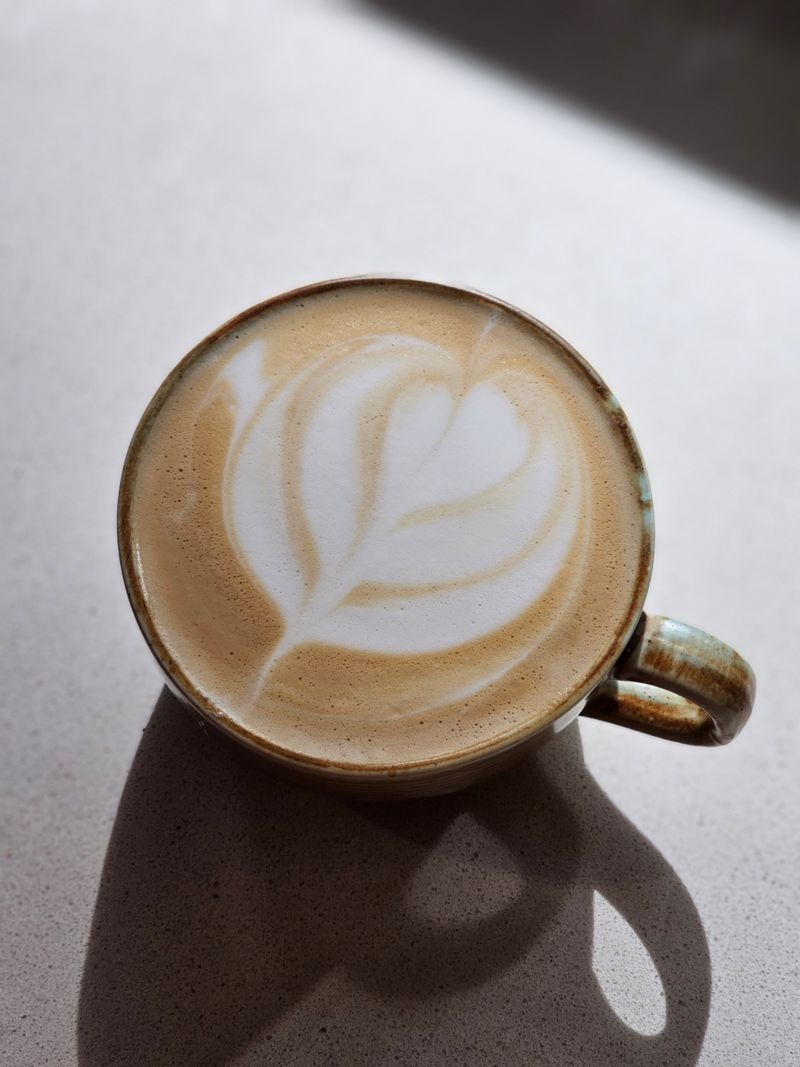
The starting point for a reason: pour steady into the center, then finish with a straight pull through the middle. One motion, no wiggle required, which is exactly why it's where every barista starts.
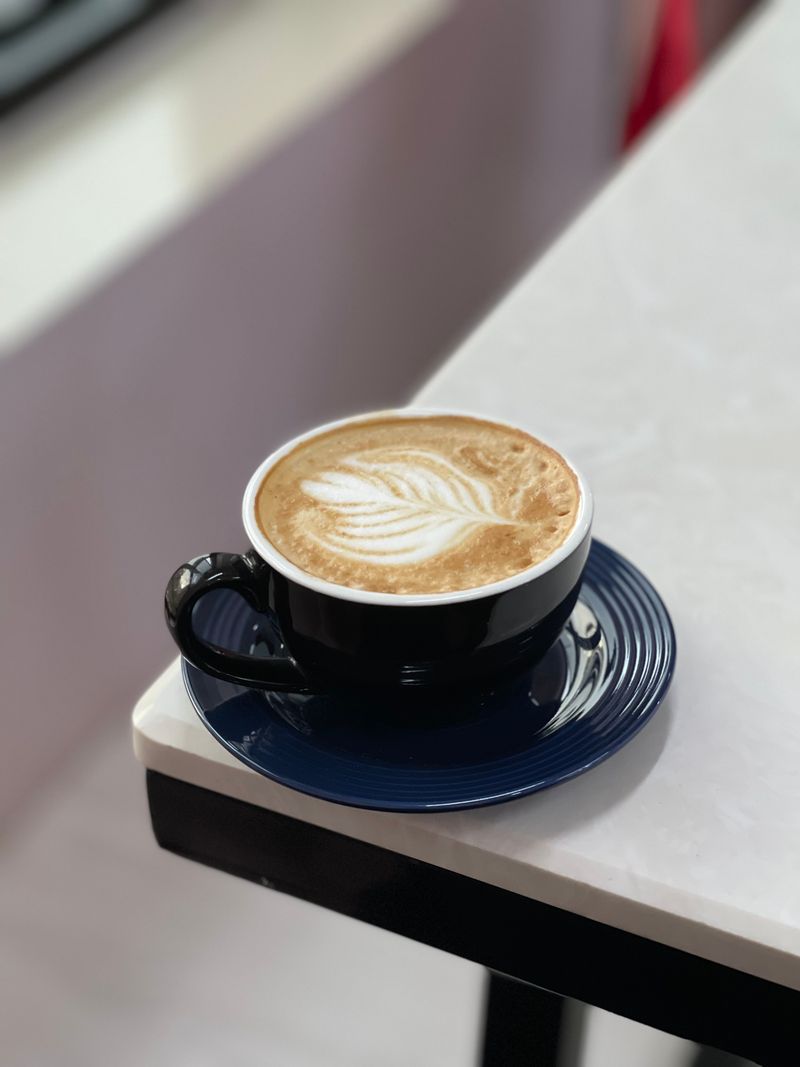
The fern-like pattern most people picture when they hear "latte art." Built from a wiggling side-to-side pour while slowly pulling back, then finished with a line through the center. The most common base for competition designs, wings and feathers on more elaborate pours are usually rosettas at their core.
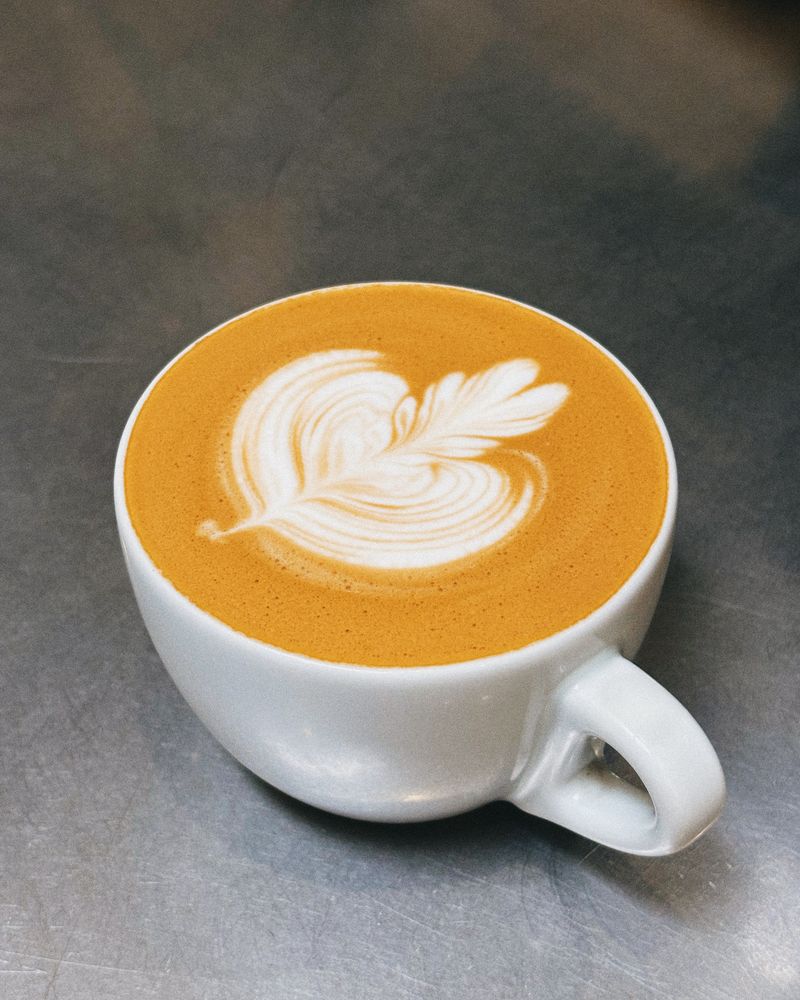
A stack of hearts, poured in stages: push milk in, stop, push again slightly forward, repeat, then finish with the same pull-through as a heart. Once you can layer 3-4 stages cleanly, most competition "stacked tulip" designs are just this taken further.
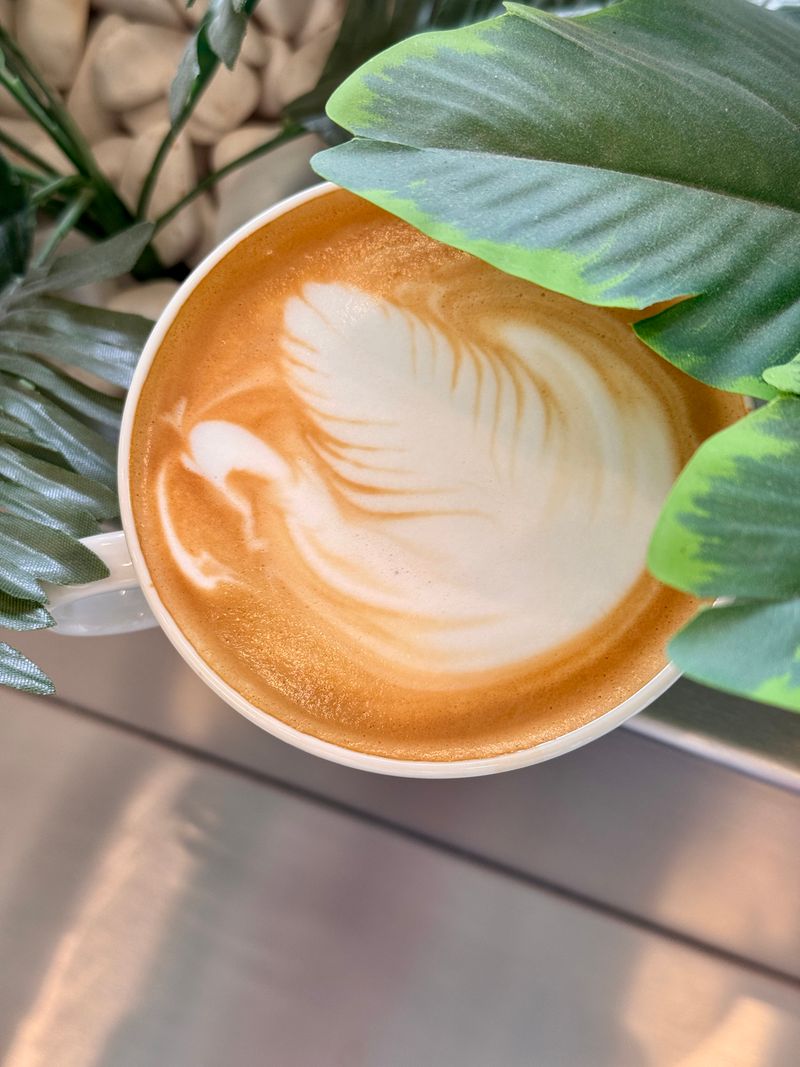
Where basic meets advanced: the body is a rosetta, the head and neck are a heart shape refined with light etching. It's the first pattern that combines free-pouring with a tool, which is exactly why it's the traditional bridge into competition-level work.
All four depend entirely on milk texture before the pour even starts, thin, glossy microfoam (not big bubbles) is what actually makes a pattern possible. If your milk isn't right, no pouring technique fixes it, see our home brewing gear guide for steaming basics and our gear picks for a milk pitcher with a spout that actually helps.
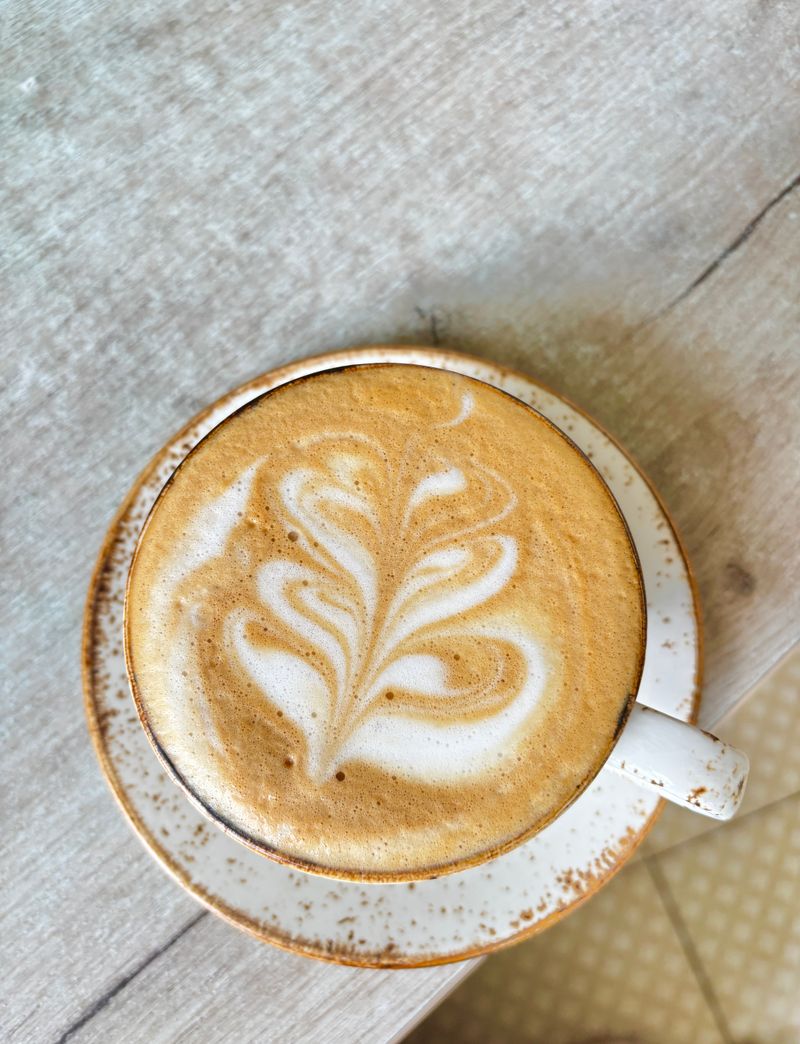
Drawing directly into the foam with a thin tool, sometimes with an espresso or syrup "inlay" for contrast, rather than shaping the design through the pour alone. This is how portraits, animals, and multi-layer designs get their fine detail.
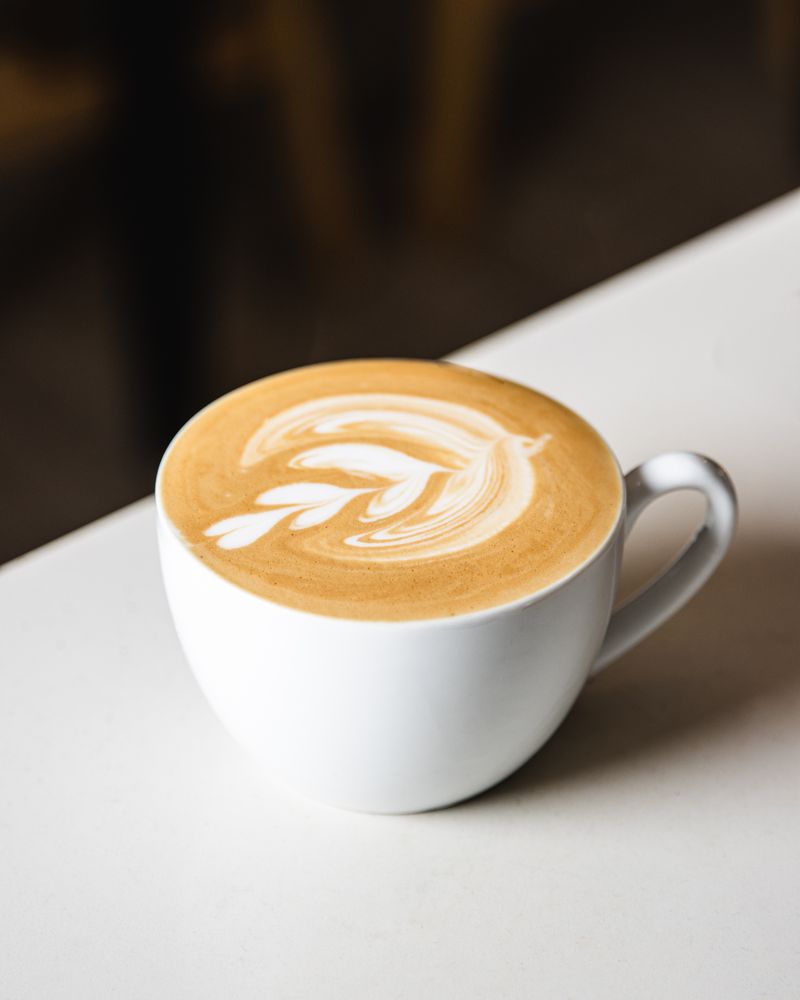
Stacking several rosettas or wrapping one design inside another, the same wiggle-and-pull motion as a basic rosetta, just repeated with tighter control over spacing and cup rotation.
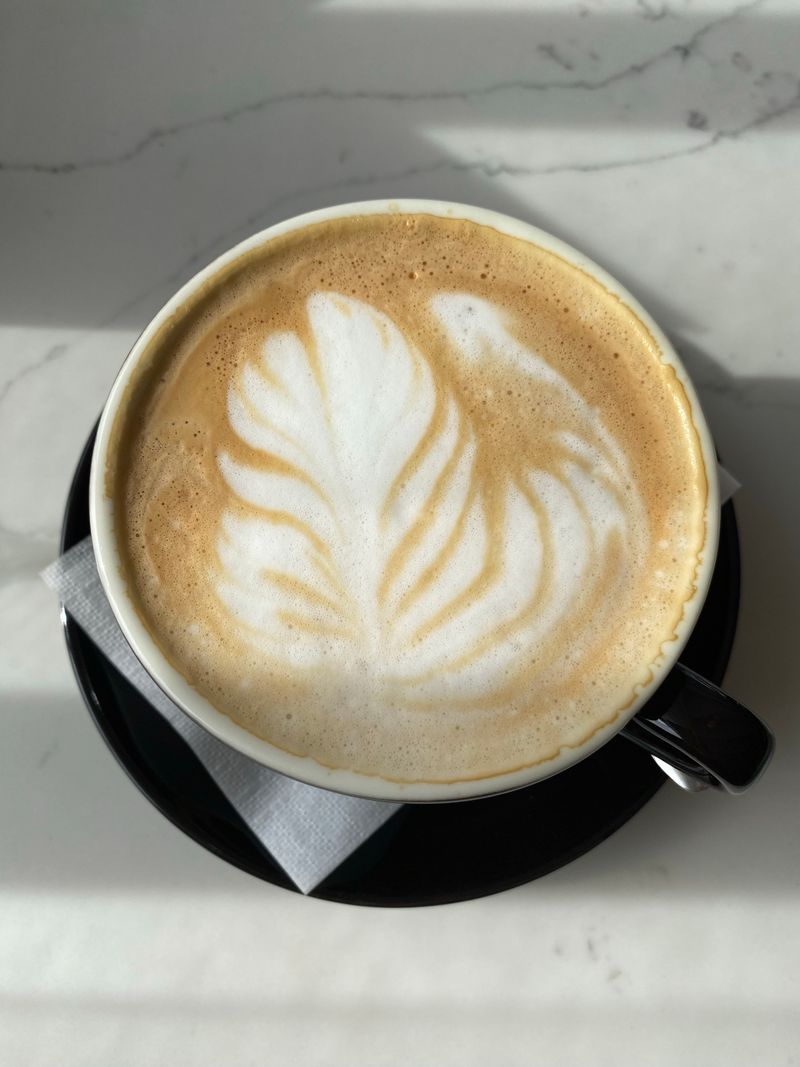
Built from the same rosetta and heart fundamentals, just combined and etched into a specific shape. If you can pour a clean swan, a peacock is a matter of practice and patience, not a new skill.
This isn't an exhaustive list, competitors and social media both push new variations constantly, but everything above builds directly on the four fundamentals rather than requiring a separate skill set.
If a technique works at a café but not at home, it's rarely you, it's usually one of these differences.
Thermoblock machines heat water on demand rather than holding a dedicated steam boiler, so pressure can drift mid-pitcher, the milk textures inconsistently pitcher to pitcher. A dual-boiler machine keeps steam pressure independent of the brew boiler, which is what makes the texture repeatable. Commercial machines take this further with much larger boilers that barely notice a single steaming session.
Steam quality, not just quantity, determines microfoam texture. A boiler running hotter (commercial machines often run 266–284°F (130–140°C) boiler temperatures) produces drier steam with less water vapor mixed in, which textures milk more predictably. A cooler, smaller home boiler can still make good microfoam, it just has a narrower margin for error.
More holes isn't automatically better, it needs to match the boiler behind it. A high-hole-count tip on a small home boiler loses pressure almost immediately, producing large unstable bubbles instead of microfoam. A 2-hole tip is more forgiving for a smaller boiler and a beginner's hand; commercial machines can drive 4+ hole tips because they have the boiler capacity to back it up.
Higher steam pressure doesn't straightforwardly mean better microfoam, research has found bubble size actually increases with boiler pressure. A commercial machine's advantage isn't raw power, it's consistency: full pressure every time, a boiler large enough not to sag mid-pitcher, and enough steam volume to not need to compensate with a bigger tip.
Practical takeaway for home machines: let the boiler fully reach pressure before you start (most machines show this with a light or a settling gauge), and purge the wand first, the first burst of steam on a home boiler is often wetter and cooler than what follows.

Two genuinely different formats exist, worth knowing the difference before you watch or enter one.
Run under the World Coffee Championships umbrella alongside the World Barista Championship. Competitors produce two matching free-pour lattes and two matching designer-pattern lattes in an 11-minute stage routine, judged on visual attributes, creativity, and how identical the paired cups actually are. The preliminary "Art Bar" round even lets audiences vote on standout pours up close.
A completely different format: bracket-style, head-to-head elimination matches, one free-pour drink per round, judged against your direct opponent rather than a full staged routine. Faster-paced and more spectator-friendly, closer to a sudden-death tournament than a performance piece.
Both formats show up at the major expos already covered in our expos and conventions guide, worth checking the schedule if you're planning a trip around one specifically.
Technique descriptions reflect commonly-taught fundamentals cross-referenced across multiple independent sources, not a single instructor's method, exact hand position and pour speed vary by teacher. The steam pressure and bubble-size claim references published research (Jimenez-Junca et al., cited via Barista Hustle's technical reference), not just conventional wisdom. Competition formats verified directly against each organization's own published rules. Verified August 2026.
Brew ratios, grind sizes, troubleshooting fixes, and a gear-buying checklist. Free, instant, no spam.
 Espresso · Roasting · Business