Last updated: August 26, 2026
Most enthusiasts who specifically want flow control consider the Bianca the better machine outright, and that's a reasonable position, its E61 paddle lets you actively shape extraction pressure mid-shot in a way the Silvia Pro X simply can't, and the E61 group itself is the more widely-supported standard of the two. Our weighted scoring, which puts real weight on value and warranty support alongside raw capability, gives a modest numerical edge to the Silvia Pro X, 8.4 versus 8.8, but that's answering a narrower question than "which is better." At roughly $1,500 more, the Bianca is a real step up in price, not just capability. If flow control is something you'll actually use, buy the Bianca and don't let a scoring methodology talk you out of it. If you don't have a specific reason to want it, the Silvia Pro X gets you dual-boiler PID performance for meaningfully less money.
Both are dual-boiler, PID-controlled prosumer machines that show up in the same shopping comparisons constantly, they're separated by roughly $1,500 and one specific capability: flow control. Whether that capability is worth the price gap is really the whole question, and reasonable people land on both sides of it.
The Silvia Pro X and Bianca V3 get cross-shopped constantly, but they're not really priced in the same tier, and several independent sources treat each machine's true tier-mate as a different model entirely. The Silvia Pro X's closer price match is the Lelit Elizabeth, at a nearly identical ~$1,700–$1,900, see our Silvia Pro X vs. Elizabeth comparison. The Bianca V3's closer price match is the ECM Synchronika II, both landing around $3,200–$3,400 and described by reviewers as the two machines that "consistently dominate the conversation" at that price point, see our Bianca V3 vs. Synchronika II comparison. If a same-tier comparison matters more to you than this one, those are the pages worth reading instead.
| Rancilio Silvia Pro X | Lelit Bianca V3 | |
|---|---|---|
| Vigilant Score | 8.8/10 | 8.4/10 |
| Boiler | Dual, PID | Dual, PID, E61 paddle flow control |
| Typical price | ~$1,700 | ~$3,200 |
| Group head | Rancilio's own 58mm-compatible design, strong enthusiast/hacker following | E61, the de-facto open standard with the larger cross-brand parts ecosystem of the two |
| Service network | Established US support | Standard terms, smaller North American network than Rancilio |
| What you're paying for | Best-in-class value at this tier | Active mid-shot pressure control |
| Boiler material | Brass | Stainless steel |
| No-burn steam wand | No | Yes |
| Steam pressure gauge | No | Yes |
| Weight | ~20 kg (44 lb) | ~25.6 kg (56 lb), more thermal mass |
Scores and core specs pulled from our full espresso machine comparison, where the complete Vigilant Score Evidence Trail for both machines lives. Boiler material, no-burn wand, steam gauge, and weight cross-checked against Espresso Setup Builder's spec comparison.
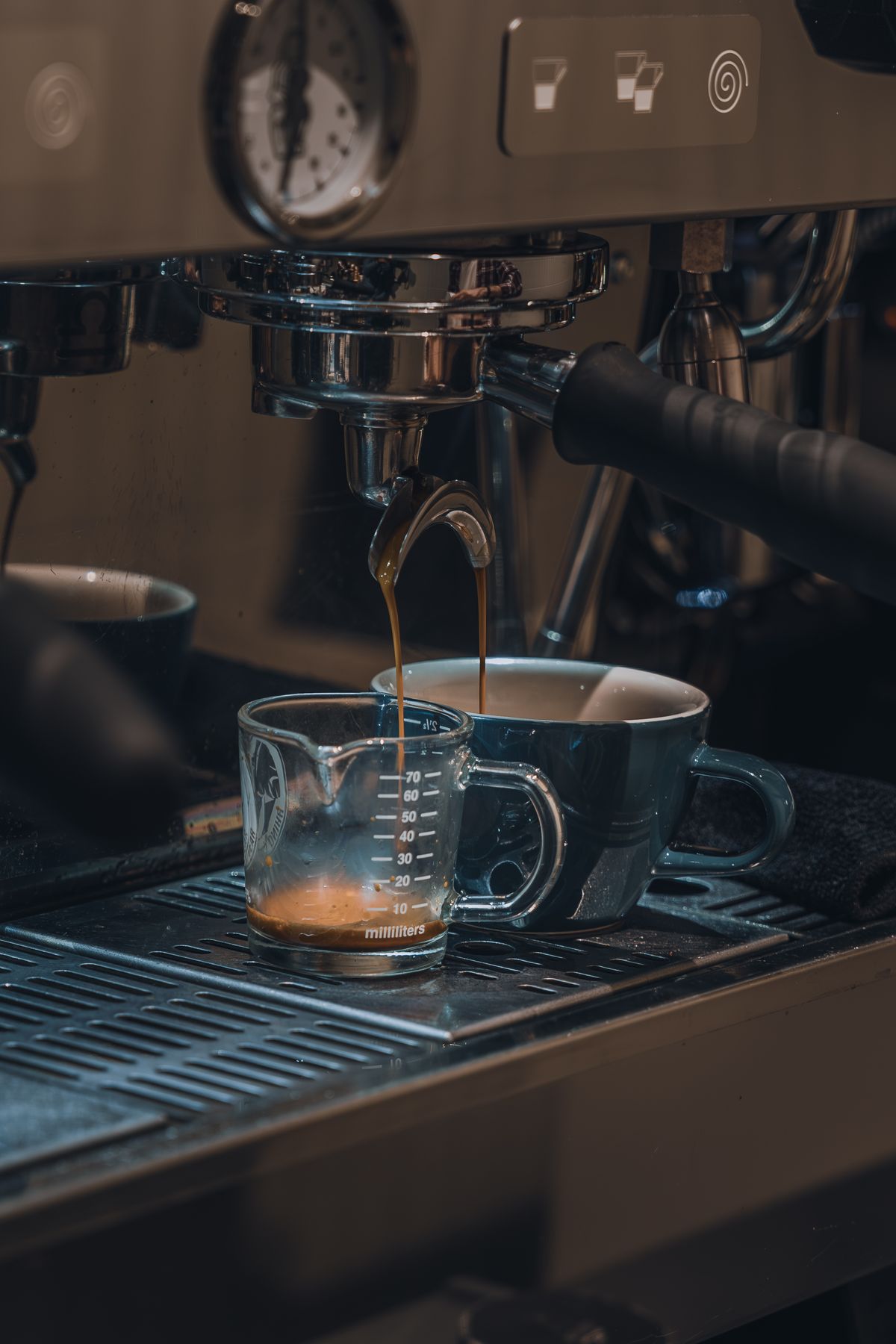
Rancilio's commercial-adjacent line brings a PID-controlled dual boiler to a price point well under most direct competitors. It's reservoir-fed with a vibration pump rather than plumbed in, the tradeoff that keeps it under $2,000. Best suited to one or two people brewing multiple drinks back-to-back without a temperature-recovery penalty.
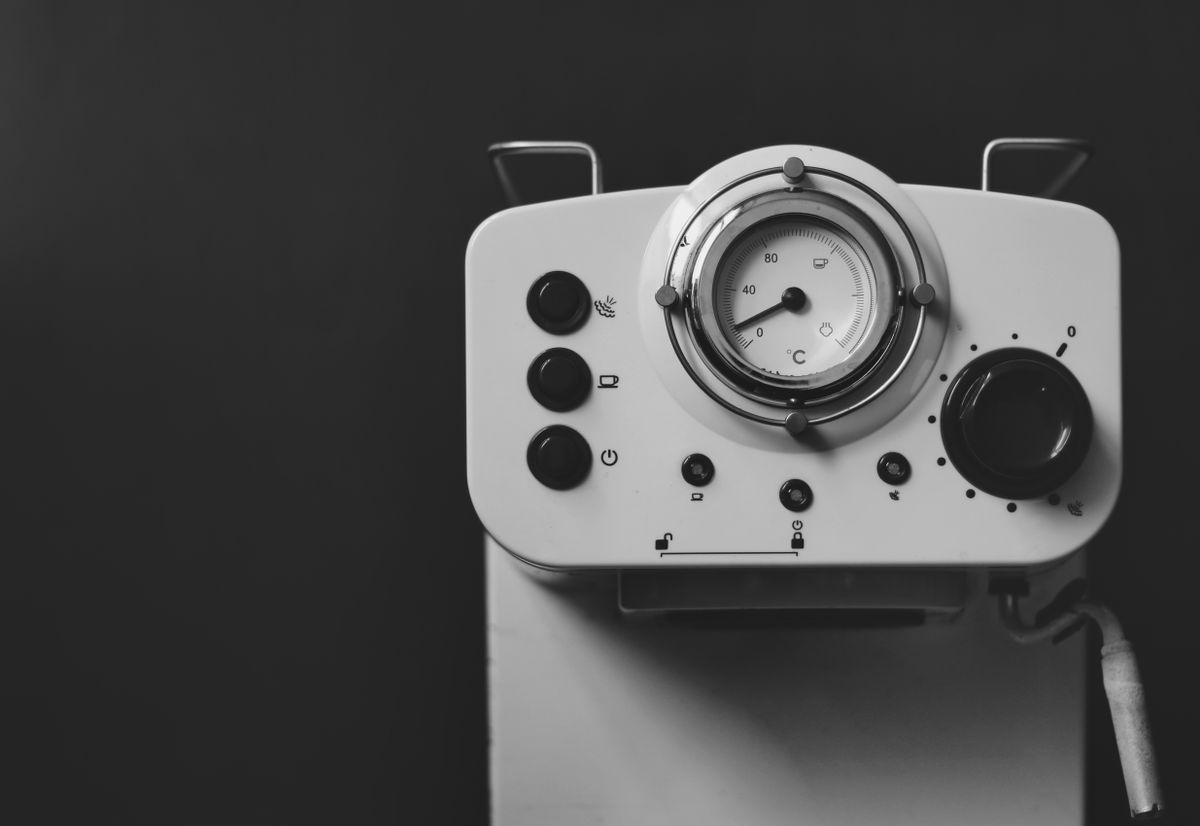
A flow-profiling machine aimed at people who want to manually shape the pressure curve of every shot. The steepest learning curve on this list, and arguably overkill until you've pulled a few thousand standard shots first.
E61 paddle flow control lets you restrict water flow during a shot, useful for taming fast-flowing light roasts, pulling longer ristrettos, or experimenting with pressure profiling techniques that a fixed 9-bar shot can't replicate. It's a real capability, not a gimmick. But it's also a skill investment: most of that value shows up after you've already dialed in the basics and start actively experimenting, not on day one.
Buy the Silvia Pro X if: you want dual-boiler PID performance for meaningfully less money, you'd rather lean on a large 58mm parts and repair ecosystem, or you don't have a specific reason to want flow control.
Buy the Bianca V3 if: flow profiling is something you actually want to use, not just have. Most people who care about this feature consider it worth the roughly $1,500 premium and smaller service network, that's a legitimate choice, not a consolation prize.
A few smaller details worth knowing beyond the core scoring: the Bianca includes a no-burn steam wand and a steam pressure gauge, neither of which the Silvia Pro X has, and its stainless steel boiler (versus the Silvia's brass) and extra 5.6kg of weight generally mean more thermal mass. None of these move the weighted score on their own, but they're real, and worth factoring in if any of them matter to you specifically.
See the full espresso machine comparison for the other four machines we cover, including where Profitec's Pro 700 V2 fits between these two.
Brew ratios, grind sizes, troubleshooting fixes, and a gear-buying checklist. Free, instant, no spam.
 Espresso · Roasting · Business